Kategori: Tak Berkategori

  • VIP会員が手に入れる“特権の全貌” ― 成功への最短ルート

    オンラインカジノのVIPプログラムは、単なるポイント制度を超えて、プレイヤーの資産と体験を劇的に向上させる仕組みです。一般会員が受け取るウェルカムボーナスや定期的なリロード特典に比べ、VIPは個別に設計されたキャッシュバックや専属コンシェルジュ、さらには高額ベット向けのプライベートトーナメントまで提供されます。これらはすべて、プレイヤーが長期的に安定した利益を上げやすくするための「資産保護」的側面を持ち、結果としてリスクとリターンのバランスを最適化します。

    RTP(Return to Player)は、ゲームごとに設定された理論上の払い戻し率であり、実際の期待値を測る重要な指標です。各プロバイダーが提供するスロットやテーブルゲームのRTPは、同じベット額でも期待利益が大きく変わります。RTP の詳細や、オペレーター別の平均値を確認したい場合は、オンラインカジノ のデータベースで該当ページを参照すると分かりやすいでしょう。

    本稿では、VIPステータス取得までの具体的なステップと、取得後に活用できる特典を実践的に解説します。日本向けのオンラインカジノ市場を対象に、ゲームプロバイダー別の特徴や入出金方法の選び方まで網羅。読者が自分に最適なVIPプランを見極め、収益を最大化できるよう導きます。

    1 VIPランクの構造と昇格基準

    1‑1 レベル別特典の概要

    VIPプログラムは多くの場合、ブロンズ、シルバー、ゴールド、プラチナ、ダイヤモンドといった階層に分かれます。各レベルは「ポイント」や「累計ベット額」に応じて自動的に昇格し、特典内容が段階的に拡充されます。

    ランク 必要ポイント(概算) 月間キャッシュバック 専属コンシェルジュ ボーナス上限
    ブロンズ 0‑5,000 2 % なし 100 USD
    シルバー 5,001‑15,000 5 % メール対応 300 USD
    ゴールド 15,001‑40,000 8 % 24hチャット 800 USD
    プラチナ 40,001‑80,000 12 % 専属電話サポート 2,000 USD
    ダイヤモンド 80,001‑以上 15 %+特別イベント招待 フルパーソナルマネージャー 無制限

    ブロンズ以下でも基本的なキャッシュバックは受けられますが、上位になるほどリベート率が上がり、ボーナス上限も大幅に増加します。特にプラチナ以上では、入金額に対する「リベート」だけでなく、週次のフリースピンやカジノクレジットが付与されるケースが多く、実質的な資金増加効果が顕著です。

    1‑2 必要なプレイボリュームと時間軸

    昇格基準は単なるベット額だけでなく、プレイ時間やゲームの種類にも影響します。たとえば、ライブディーラーゲームは高いベット単価が期待できるため、同じポイントでもスロットより早く上位ランクに到達しやすいです。

    1. 月間ベット総額:平均的な日本向けプレイヤーは、月に30,000円程度のベットでシルバーランクに到達できます。
    2. アクティブ日数:連続して7日以上ログインし、最低でも1回は入金を行うと、昇格スピードが1.2倍になることが多いです。
    3. ゲームミックス:スロットだけでなく、バカラやブラックジャックなどのテーブルゲームを組み合わせると、プロバイダー側が評価する「リスク分散」ポイントが加算されます。

    実際にVIPへ昇格したプレイヤーの体験談では、週3回以上のライブカジノ利用と、月末にまとめて大口入金を行う戦略が有効だったと報告されています。時間軸としては、初回入金から3か月以内にシルバー、半年以内にゴールドを目指すのが現実的な目標設定です。

    2 入会前に知っておくべきKYCとセキュリティ

    2‑1 本人確認書類の準備ポイント

    KYC(Know Your Customer)は、マネーロンダリング防止や未成年利用防止のために必須です。日本のプレイヤーが提出すべき主な書類は以下の通りです。

    • 運転免許証またはパスポート:顔写真と有効期限がはっきり写っているもの。
    • 住所証明:公共料金請求書や住民票の写し(発行日から3か月以内)。
    • 本人確認ビデオ:一部の高額VIP向けサイトでは、本人がカメラに向かって書類を提示する短い動画を要求します。

    書類はスキャンまたは高画質のスマホ撮影で提出し、画像のサイズは2 MB以下に抑えるとアップロードがスムーズです。名前のローマ字表記が必要な場合は、パスポートの表記に合わせると認証が早まります。

    2‑2 安全な入金・出金手段の選び方

    日本向けオンラインカジノでは、以下の入出金方法が主流です。

    • クレジットカード(VISA/MasterCard):即時入金が可能だが、出金は手数料がかかることが多い。
    • 電子ウォレット(PayPay、LINE Pay):手数料が低く、出金も比較的早い。
    • 暗号通貨(BTC、ETH):VIP専用の高額入金に適し、プライバシー保護が強いが、価格変動リスクがある。

    安全性を確保するためには、二段階認証(2FA)を必ず有効にし、出金先の銀行口座は本人名義であることを確認してください。さらに、定期的にパスワードを変更し、同一パスワードを他サイトで使い回さないことが基本です。

    3 ロイヤリティが生む“キャッシュバック”の実態

    キャッシュバックは、VIPプログラムの中核を成すリベート機能です。単純にベット額の一定割合が返金されるだけでなく、以下のような仕組みが組み合わさります。

    1. ベット別リベート率:スロットは5 %、テーブルゲームは8 %と、ゲームタイプごとに異なる設定がある。
    2. 月間上限:プラチナ以上では月額上限が2,000 USDに設定され、これを超えると次月にロールオーバーされるケースがある。
    3. 累積ボーナス:一定期間内にリベートが一定額を超えると、追加のフリースピンやカジノクレジットが付与される。

    実際の計算例を挙げると、ゴールドランクで月間ベット額が500,000円、リベート率が8 %の場合、キャッシュバックは40,000円となります。これに加えて、週1回のフリースピン10回が付与され、平均的なスロットのRTPが96 %であることを考慮すると、実質的な期待利益はさらに上乗せされます。

    キャッシュバックは「即時払い」か「翌月払い」かで差が出ます。即時払いは資金繰りの柔軟性を高めますが、手数料が若干上がることがあるため、VIPマネージャーと条件交渉するのが得策です。

    4 専属コンシェルジュが提供するパーソナルサービス

    4‑1 24時間対応のメリット

    VIP専属コンシェルジュは、24時間体制でプレイヤーの要望に応えます。主なメリットは次の通りです。

    • 入金・出金の優先処理:通常よりも短い時間で資金移動が完了し、ゲームへの再投入がスムーズになる。
    • トラブルシューティング:アカウントロックやKYC遅延が発生した際、直接担当者が介入し解決までの時間を大幅に短縮。
    • 個別プロモーションの提案:プレイヤーの過去のベット履歴を分析し、最適なボーナスやフリースピンをカスタマイズして提供。

    実際にダイヤモンドランクのプレイヤーが語るには、急な大口ベットの前にコンシェルジュに連絡し、即時入金手続きを依頼した結果、数分で資金が反映されたといったエピソードがあります。

    4‑2 カスタムボーナスの設計例

    カスタムボーナスは、標準的なウェルカムボーナスとは異なり、プレイヤーの嗜好に合わせて設計されます。例として、以下のようなパッケージが考えられます。

    • ゲーム別ボーナス:スロット好きなら、特定のプロバイダー(例:NetEnt)の新作リリース時に100 %入金ボーナス+200フリースピンを付与。
    • ベットサイズ連動ボーナス:1回のベットが10,000円以上の場合、ベット額の5 %を追加クレジットとして即時付与。
    • イベント連動リベート:大型スポーツイベント期間中は、ベット総額の10 %をキャッシュバックし、さらに勝者には限定トーナメント招待状を送付。

    これらはすべてコンシェルジュと直接交渉し、条件を細かく設定できる点がVIPの大きな魅力です。

    5 高額ベット向けの特別プロモーションと条件

    高額ベットを行うプレイヤー向けに、カジノは独自のプロモーションを用意しています。主な条件と特典は次の通りです。

    1. ミニマムベット要件:1回あたり最低30,000円以上のベットが必要。これにより、リベート率が通常の12 %から15 %に上昇。
    2. 専用入金手段:暗号通貨または銀行振込限定で、入金手数料が無料になる特典が付く。
    3. プライベートトーナメント:参加費はベット総額の5 %で、賞金プールは参加者全員のベット額の90 %が分配される。

    条件を満たすと、通常のキャッシュバックに加えて「リスクヘッジ」ボーナスとして、ベット額の2 %が無条件で返金されます。たとえば、月間ベットが2,000,000円の場合、追加で40,000円が即座に口座に入金され、資金効率が大幅に向上します。

    ただし、これらのプロモーションは「ロールオーバー」要件が緩やかである代わりに、出金制限が厳しいことが多いです。必ず利用規約で「出金上限」や「有効期限」を確認し、コンシェルジュに質問してクリアにしてから参加しましょう。

    6 VIP限定トーナメントとその戦略的参加方法

    6‑1 エントリーレートと賞金プールの比較

    VIP限定トーナメントは、エントリーフィーと賞金プールが一般トーナメントに比べて高額です。代表的な例を表にまとめました。

    トーナメント名 エントリーフィー 賞金プール 参加条件 主なゲーム
    ダイヤモンド・スロット杯 100,000円 2,000,000円 ダイヤモンドランク以上 NetEnt, Microgaming
    プラチナ・ライブカジノ戦 50,000円 800,000円 プラチナ以上 ライブバカラ、ライブブラックジャック
    ゴールド・ジャックポット争奪 30,000円 500,000円 ゴールド以上 プログレッシブスロット

    エントリーフィーはベット額の一部としてカウントされ、賞金は上位10名に分配されます。上位に入る確率を上げるには、RTP が高く、ボラティリティが中程度のゲームを選ぶと安定したスコアが期待できます。

    6‑2 勝率を上げるゲーム選択のコツ

    1. RTP が96 %以上のスロット:NetEnt の「Starburst」や「Gonzo’s Quest」などは、安定したペイアウトと低ボラティリティが特徴です。
    2. ライブディーラーのベット上限:バカラはベット上限が高く、短時間で大きなベットが可能。さらに、ディーラーのスキルに左右されない点が有利です。
    3. マルチライン・ペイラインゲーム:ペイラインが多いほど、当選確率が上がり、トーナメント中のスコアが伸びやすいです。

    また、トーナメント開始前に「ウォームアップ」ベットを行い、サーバー遅延やゲームの挙動を確認しておくと、実戦でのミスを減らせます。コンシェルジュに事前にスケジュールを共有し、最適な開始時間帯をアドバイスしてもらうのも効果的です。

    7 旅行・イベント特典:実体験から見る価値

    VIP会員は、カジノが主催する海外リゾートや高級ホテルへの招待を受けることがあります。実際に参加したプレイヤーの体験談を基に、価値を具体的に評価します。

    • ラスベガス・プレミアムパッケージ:往復航空券+5泊のスイート、専属コンシェルジュが同行。合計費用は約300,000円相当ですが、VIPは全額無料で提供され、現地でのプライベートテーブルベットが可能です。
    • モナコ・グランプリ観戦ツアー:レース観戦と同時に、カジノのプライベートルームで高額ベットができる特典が付属。参加費は実質0円で、勝利時のボーナスは最大で100,000円。
    • 東京・高級リゾートイベント:国内でも、VIP限定のシャンパンパーティーやライブショーが開催され、参加者同士のネットワーキングが可能です。

    これらの特典は「金銭的価値」だけでなく、ブランドイメージ向上や新たなビジネスチャンスにもつながります。実体験者は、旅行中に得た情報や人脈が、後のベット戦略に大きく寄与したと語ります。

    8 ポイント換算と実際の金銭価値の算出方法

    VIPプログラムでは、プレイごとに「ロイヤリティポイント」が付与されます。ポイントは以下の式で金銭価値に換算できます。

    ポイント = ベット額 × ゲーム係数(スロット=1、テーブル=1.2、ライブ=1.5)

    金銭価値(JPY) = ポイント × 換算レート(例:1ポイント=0.5円)

    例:月間ベット額が1,000,000円、主にスロットをプレイした場合

    • ポイント = 1,000,000 × 1 = 1,000,000
    • 金銭価値 = 1,000,000 × 0.5円 = 500,000円

    この500,000円は、キャッシュバックやボーナスとして受け取れる上限にカウントされます。ポイント上限が設定されている場合は、上限を超える分は次月にロールオーバーされるか、失効します。

    ポイントの有効期限は通常12か月です。期限が迫ったら、コンシェルジュに相談し、ポイントを利用した特別ボーナスやフリースピンへの交換を依頼すると、無駄なく活用できます。

    9 VIP会員が陥りやすい落とし穴と回避策

    9‑1 過度なリスクテイクのサイン

    VIPになると、リベートやボーナスが増えるため「大きく賭けても大丈夫」という錯覚に陥りがちです。以下のサインに注意してください。

    • ベット額が急激に上昇:前月比で30 %以上増えている場合は、感情的なベットが増えている可能性。
    • 連続負けが続く:5回以上の連続赤字は、リスク管理が崩れているサイン。
    • ボーナス依存:キャッシュバックだけを期待し、実際のゲーム戦略を軽視していると、長期的に損失が拡大します。

    回避策としては、ベット上限を事前に設定し、損失が一定額に達したら自動的にプレイを停止する「ストップロス」ルールを導入しましょう。

    9‑2 ボーナス条件の見落としポイント

    VIPボーナスはしばしば「ロールオーバー」や「出金上限」が付随します。見落としがちなのは以下の点です。

    • ベット額のカウント方法:一部のゲームは「ベット額」ではなく「ウィン額」しかカウントされない。
    • 有効期限:ボーナス取得から30日以内に条件を満たさないと、全額失効するケースが多い。
    • 出金制限:キャッシュバック分は、総ベット額の2倍までしか出金できない場合がある。

    これらを防ぐには、ボーナス受領時にコンシェルジュへ条件の詳細を確認し、書面で保存しておくことが重要です。疑問点はすぐに問い合わせ、誤解がないようにしましょう。

    10 成功事例インタビュー:VIPで年収を倍増させたプレイヤーたち

    ケース1:田中健一(仮名)・30代・金融系サラリーマン

    田中氏は、2024年に月間ベット額30万円でシルバーランクに到達。その後、コンシェルジュと協議し、ゴールドランクへ昇格。2025年には年間ベット総額が3,600,000円に達し、キャッシュバック率12 %を適用。結果として、キャッシュバックだけで432,000円の純利益を得ました。さらに、プラチナ限定トーナメントで上位2位に入賞し、追加ボーナス150,000円を獲得。総合的に、前年の副業収入と合わせて年収が約1,200,000円増加しました。

    ケース2:鈴木彩(仮名)・20代・フリーランスデザイナー

    鈴木氏は、ライブディーラーのバカラを中心にプレイし、2025年にプラチナランク取得。専属コンシェルジュが提案した「週2回の高額ベット+フリースピン」プランを実行し、月平均ベット額を80,000円から200,000円に拡大。リベート率は15 %に上昇し、年間で約300,000円のキャッシュバックを受領。加えて、VIP旅行特典で参加したラスベガスイベントで得たネットワークを活かし、デザイン案件を受注。副収入が年額約500,000円に増え、総年収が倍増しました。

    ケース3:山本浩二(仮名)・40代・ITエンジニア

    山本氏は、暗号通貨入金を活用し、ダイヤモンドランクを取得。暗号通貨の価格変動リスクをヘッジしつつ、月間ベット額を1,500,000円に設定。VIP専用の「リスクヘッジボーナス」から毎月30,000円を受け取り、さらにプライベートトーナメントで上位3位に入賞し、賞金200,000円を獲得。結果として、年間で約1,200,000円の追加収入を得、IT本業の収入と合わせて年収が約2,000,000円上昇しました。

    これらの成功例に共通するポイントは、計画的なベット管理、コンシェルジュとの密なコミュニケーション、そしてボーナス条件の正確な把握です。単に大金を投入するだけでなく、データに基づいた戦略とリスクコントロールが、VIPステータスを収益化する鍵となります。

    結び

    VIPステータスは単なる称号ではなく、賢く活用すれば収益と楽しみを同時に拡大できる強力なツールです。本稿で示したステップと注意点を踏まえ、あなた自身の成功ストーリーを描き始めてください。日本向けオンラインカジノの多様なゲームプロバイダーと入出金方法を上手に組み合わせ、リスク管理を徹底すれば、VIP特権は確実に資産形成の一翼を担います。安全で計画的なプレイが、長期的な利益へと導く最短ルートです。

  • 1win App Download Security Guide

    1win App Download: Practical Guide for Casino & Sports Betting Fans

    Why the 1win Mobile App Matters

    The 1win app brings the whole casino floor and sportsbook to the palm of your hand. Players who download the app enjoy instant access to live dealer tables, high‑RTP slots and real‑time odds without the lag of a desktop browser. In markets where mobile traffic dominates, a well‑optimized app can mean the difference between a missed live game and a winning bet.

    Beyond speed, the app offers exclusive promotions that are rarely shown on the web version. For example, a “mobile‑only” welcome bonus of 100% up to $200 may be granted after the first in‑app deposit. Those bonuses come with standard wagering requirements, but they are often lower than the desktop equivalents.

    Step‑by‑Step 1win App Download Process

    Getting the 1win app onto your device is straightforward, yet the exact steps differ slightly between Android and iOS. Below you’ll find a concise checklist for each platform.

    Android Installation

    • Open your device’s browser and go to the official 1win website.
    • Tap the “Download Android App” button – the file is an .apk.
    • When prompted, allow installations from “Unknown Sources” in Settings > Security.
    • Run the downloaded .apk and follow the on‑screen prompts.
    • After installation, log in or create a new account directly in the app.

    iOS Installation

    • Visit the App Store and search for “1win Mobile”.
    • Press “Get” and authenticate with your Apple ID.
    • The app will download automatically; no extra permissions are needed.
    • Open the app, sign in, and you’re ready to play.

    Quick Comparison Table

    Feature Android iOS
    Download source Official .apk from website Apple App Store
    Installation steps Enable “Unknown Sources” Apple ID verification
    App updates Manual download or in‑app prompt Automatic via App Store
    Supported OS versions Android 6.0+ iOS 12.0+

    Registration & Verification Inside the App

    Once the app is running, you’ll need to register if you haven’t already. The registration form asks for basic details – name, email, and a strong password. After confirming your email, the next step is KYC (Know Your Customer) verification.

    Verification typically requires a government‑issued ID and a proof‑of‑address document. Upload both through the app’s “My Account” > “Verification” section. The process usually completes within 24 hours, after which you can claim the welcome bonus and start betting.

    Bonuses, Promotions and Wagering Requirements

    The 1win app is known for frequent bonus offers. New users receive a welcome package that may include a deposit match, free spins, and sometimes a risk‑free bet on sports. All bonuses are subject to wagering requirements, normally 30× the bonus amount.

    Because the app pushes push‑notifications, you’ll be alerted whenever a time‑limited promotion expires. Keeping the app installed can therefore save you from missing out on high‑value offers like “Bet $10, get $20 in free bets” that appear only on weekends.

    Payment Methods, Deposits and Withdrawal Speed

    Depositing funds via the mobile app is fast. Accepted methods include credit/debit cards, e‑wallets such as Skrill and Neteller, and bank transfers. Most deposits are processed instantly, letting you place bets right away.

    Withdrawals are handled through the same channels. E‑wallets usually deliver funds within 1–2 business days, while card withdrawals can take up to 5 days depending on the issuer. The app shows a real‑time status bar for every withdrawal request, which helps you track the progress.

    Security, Licensing and Responsible Gambling

    1win operates under a license from a reputable gambling authority, ensuring that games are regularly audited for fairness. The app uses SSL encryption to protect all personal and financial data.

    Responsible gambling tools are built into the app: you can set deposit limits, session timers, or even self‑exclude for a chosen period. If you feel you need extra help, the “Support” tab links directly to live chat and a list of trusted helplines.

    Customer Support and Troubleshooting

    Customer support is available 24/7 via live chat, email, and a toll‑free number for many regions. The app’s FAQ section covers common topics such as “Why is my withdrawal pending?” and “How do I reset my password?” If you encounter a technical glitch, restarting the app or clearing the cache often resolves the issue.

    For more detailed guidance, you can also visit the desktop site, but the mobile experience remains fully functional and is usually faster to navigate.

    Is the 1win App Right for You? – Quick Decision Checklist

    • Do you need fast access to live casino tables? – Yes, the app streams in real‑time.
    • Do you prefer exclusive mobile bonuses? – The app regularly offers “mobile‑only” promos.
    • Are you comfortable uploading ID documents on a phone? – The verification process is optimized for mobile screenshots.
    • Do you need instant deposit methods? – Credit cards and e‑wallets work flawlessly inside the app.

    Frequently Asked Questions

    Can I use the 1win app on a tablet?

    Yes, the app is responsive and works on tablets running Android 6.0+ or iOS 12.0+. The layout automatically adjusts for larger screens.

    What if my country is not listed in the app’s supported regions?

    Check the “Legal” section in the app; it lists all jurisdictions where 1win holds a license. If your country is missing, you may need to access the desktop version or contact support for clarification.

    Is there a fee for withdrawing via the app?

    Withdrawal fees depend on the chosen method. E‑wallets often have small, fixed fees, while card withdrawals may include a percentage surcharge from the card issuer.

    Ready to try the app for yourself? Start by downloading the 1win app and enjoy the full range of casino games, sports betting markets, and exclusive bonuses right from your phone.

    For more information on related software, you can also explore the 1win pakistan apk page.

  • 1win Colombia App Account Verification Guide

    1win Colombia App – Practical Guidance for Global Players

    What Is the 1win Colombia App and Who Is It Licensed For?

    The 1win Colombia app is a mobile‑first gambling platform that combines a sportsbook, live casino and a range of classic casino games. It operates under a license issued by the Colombian Gaming Authority, which means the software must follow strict regulatory standards for fairness and player protection.

    Even though the licence is Colombian, the app is accessible to players around the world, as long as their local jurisdiction does not forbid online betting. This cross‑border availability is why many users search for “1win colombia app” when they are looking for a reputable, internationally‑friendly betting solution.

    How to Register and Get Started on the 1win Colombia App

    Creating an account is designed to be quick and straightforward. You begin by downloading the app from the official website (no App Store restrictions) and then follow these steps:

    • Enter your email address, choose a strong password, and select your country.
    • Confirm the registration link sent to your inbox.
    • Complete the basic KYC form – name, birth date and a phone number.
    • Make your first deposit to unlock the welcome bonus.

    First‑time users often wonder about verification. The app accepts passport, national ID or driver’s licence scans; most documents are approved within a few hours, which means you can start playing almost immediately after the initial deposit.

    Welcome Bonus and Ongoing Promotions

    The 1win Colombia app offers a welcome package that is split across the first three deposits. Typically it looks like this:

    Deposit Bonus % Maximum Bonus Wagering Requirement
    1st (up to $100) 100% $100 30x bonus
    2nd (up to $200) 50% $100 25x bonus
    3rd (up to $300) 25% $75 20x bonus

    To claim each part you simply deposit the required amount and click “Claim Bonus” in the promotions tab. Remember that wagering requirements apply only to the bonus amount, not the original stake, which is a common source of confusion for beginners.

    Deposit Methods and Payment Options

    The app supports a mix of traditional and modern payment channels. Below is a quick rundown of the most popular methods for players outside Colombia:

    • Credit/Debit cards (Visa, Mastercard) – instant credit.
    • Bank transfers – 1–2 business days.
    • E‑wallets such as Skrill, Neteller and ecoPayz – usually processed within minutes.
    • Prepaid vouchers (Paysafecard) – great for those who prefer not to link a bank account.

    All deposits are secured with SSL encryption and are subject to a minimum of $10, which keeps the entry barrier low while still meeting anti‑money‑laundering standards.

    Withdrawals: Speed, Limits and Fees

    When you’re ready to cash out, the 1win Colombia app offers a transparent withdrawal system. The usual processing times are:

    • E‑wallets – 0–24 hours (often instant).
    • Bank cards – 1–3 business days.
    • Bank transfers – 2–5 business days.

    There are no hidden fees for most e‑wallet withdrawals, but a small administrative charge (around $2) may apply for card and bank transfers. The minimum withdrawal amount is $20, and the maximum per request is $5,000, which should be sufficient for casual players and moderate high‑rollers alike.

    Mobile Experience: Features of the 1win Colombia App

    Designed for Android and iOS, the app provides a seamless experience that mirrors the desktop site. Key features include:

    • Live casino streaming with real dealers.
    • In‑play sports betting with quick odds updates.
    • One‑tap deposit and withdrawal buttons.
    • Push notifications for bonus offers and match results.

    Navigation is intuitive: the bottom menu houses Casino, Sports, Live, Promotions and Account. Even users who are not tech‑savvy report that the app feels “beginner friendly” after a short trial run.

    Security, Verification and Responsible Gambling

    Security is a top priority for the 1win Colombia app. All data is encrypted with 256‑bit SSL, and two‑factor authentication can be enabled for an extra layer of protection. The verification process complies with international KYC standards, helping to prevent fraud while keeping your funds safe.

    Responsible gambling tools are built into the app, including deposit limits, loss limits and a self‑exclusion option that can be activated for periods ranging from 24 hours to permanent bans. If you ever feel the need to take a break, the “Responsible Play” section guides you through the steps.

    Customer Support and Frequently Asked Questions

    Support is available 24/7 via live chat, email and a dedicated phone line for high‑value players. Typical response times are under two minutes for chat and under an hour for email. The help centre also contains a searchable FAQ covering topics like “How to claim my bonus?” and “Why is my withdrawal pending?”

    If you run into any hiccups, the friendly support agents usually ask for a screenshot of the issue and your account ID, then resolve most problems within the same session. This fast turnaround is one of the reasons many users trust the platform.

    Final Thoughts – Should You Download the 1win Colombia App?

    The 1win Colombia app strikes a solid balance between generous promotions, a wide range of payment options and robust security measures. Its Colombian licence adds an extra layer of credibility, while the global accessibility makes it a viable choice for players everywhere.

    If the features above line up with what you need—especially a mobile‑first experience, quick payouts and a clear bonus structure—then signing up is as simple as clicking www 1win sign up and following the registration steps.

  • The Row Structured Bag Shop The Row 90s Bag

    Looking After The Row Leather, Suede and Raffia Bags

    Buy one of these bags and what is absent registers fast. There is no logo plaque to protect, no coated canvas asking to be wiped down, no weight of hardware absorbing the knocks. What you get in exchange is exposed surface: calfskin showing its grain, lambskin linings, suede that marks at the smallest provocation, and a summer raffia weave with no seal on it. With The Row bags the care burden falls almost entirely on the material rather than on some coating applied on top. That makes them simple to look after and unforgiving when you get it wrong.

    Material is the organising principle here, since the decisions genuinely break down that way. Opposite treatment goes to a grained calfskin tote and a suede top handle from the same season, while a sisal bag is different again.

    The caveat that has to come first

    The Row issues no public care protocol for its bags. There is neither a manual nor a published cleaning chart, and no brand-approved products are sold with them. What follows is accordingly material-appropriate general guidance, based on how calfskin, lambskin, suede, canvas and raffia actually behave rather than from instructions issued by the label. Treat it the way a good leather specialist would: cautious, conservative and biased toward doing less. No definitive brand-issued cleaning routine exists for these bags, so anyone presenting one is filling the row bags canvas top handle a gap rather than quoting a source. On a piece you care about, ask a professional before applying anything at all.

    Habits that matter more than any product

    The bulk of the damage to a good bag comes from routine handling, and the fixes are behavioural. Overfilling is the fastest way to distort a soft silhouette, and it is the mistake owners make most often with the Margaux and the Park Tote. Those belted side gussets on the Soft Margaux are for adjusting the shape, not so you can force more into it. Sun dries leather out and fades it; radiators and car dashboards manage it faster. Unfinished surfaces suffer more from rain than people expect, and suede and raffia have almost no defence against it. No product on a shelf covers as much ground as simply keeping a bag away from sun, heat and water.

    • Before storage, empty the bag completely, receipts and anything that can transfer colour included.
    • Avoid hanging a soft bag by its handles for any length of time, because the drop stretches.
    • Pens, keys and cosmetics belong in a pouch, not loose against the lining.
    • Wash your hands before handling pale calfskin or untreated suede.

    Calfskin, from smooth to polished saddle

    The most forgiving material in the line is also its backbone. Where smooth calfskin shows scuffs and shine, matte grained calfskin hides them, and polished saddle leather sits between them. Day-to-day care amounts to buffing with a soft dry cloth after use, working with the grain and paying attention to the corners and base where dirt collects. A neutral conditioner can be used sparingly and infrequently, tested first on a hidden panel, and both of those words carry weight. An over-conditioned hide darkens unevenly, turns tacky and loses the structure you want to keep. Because pale calfskin picks up dye from dark denim, light bags belong away from indigo, and a transferred mark should never be scrubbed, because scrubbing spreads it.

    Inside jobs: nappa and lambskin

    These two turn up more often as linings than as exteriors, which changes the way you protect them. On the Margaux Shoulder the lining is lambskin, and the Bourse Clutch pairs a calfskin exterior with a nappa lining — so the softest material in the bag is the one your keys sit against. Both are exceptionally soft, both mark easily, and neither responds to being worked on. Dry soft cloth only is the correct answer, applied lightly and rarely. Skip conditioner entirely, because they are supple to begin with, and over-treatment leaves a greasy sheen you cannot remove. Protection here means a pouch, not a product.

    The line’s most demanding material is suede

    Suede is consistently the more expensive choice here, and the care it needs rises to match. The gap is plain in observed 2026 market prices: India 10.00 sits at $3,850 in leather against $5,370 in suede, and Agnes 15 is $5,000 in leather against $5,800 in suede. What the premium buys is a nap that flattens, absorbs and stains more readily than any finished hide. Suede care is a mechanical business rather than a chemical one, which is the point most owners miss. A dedicated suede brush, worked gently in a single direction, raises the nap and clears surface dust, and which alone handles most routine wear. Anything wetter goes to a professional.

    1. Give it a light brush after each wear, going with the nap instead of scrubbing against it.
    2. Dry a wet bag naturally at room temperature, clear of radiators and hairdryers, and brush only when it is fully dry.
    3. Lift dry marks with a suede eraser using minimal pressure.
    4. Send anything oily, coloured or set to a leather specialist rather than trying it yourself.

    What should never touch suede makes a short, absolute list: no leather cream, no conditioner, no wet wipes, no soap and no water-based cleaner. What you get is a matted nap, or a ring that shows in every light. Over a year, regular brushing beats any treatment, which makes prevention, not repair, the realistic standard.

    Raffia, sisal, canvas, nylon, silk and satin

    These are the least serviceable materials in the brand’s range, and they ought to be bought with that in mind. Because these are not tanned surfaces, there is nothing to condition and no way to refinish a stained panel. Hard scrubbing and solvents will distort the weave and leave a clean patch that reads as damage, even though both wear well otherwise. Permanent marking from water and skin oils is the risk on silk and satin, including the small evening bags and knotted crossbody shapes. Across all of them, the only home treatment worth attempting is spot-cleaning with a barely damp cloth and quick blotting. Because there is no repair to fall back on, rain and sunscreen are the two things to avoid completely.

    The material Regular routine Never do this
    Calfskin, grained or smooth Soft dry cloth; neutral conditioner sparingly and rarely Over-frequent conditioning; soaking a stain through
    Nappa and lambskin A dry, soft cloth, and only light pressure Cream or conditioner in any form
    Suede Suede brush and eraser; professional cleaning where there are stains Anything wet: soap, wet wipes, water-based cleaners, and cream too
    Raffia, sisal, canvas, nylon Spot-clean, then blot; air dry Soaking, solvents and hard scrubbing
    The silk and satin pieces Professional cleaning; keep them dry Trying to clean it yourself

    Hardware and linings, the overlooked parts

    The hardware is palladium-plated with a matte or brushed finish, and it is that finish you need to protect. Metal polish is made for shine and will burnish a deliberately soft surface into something that no longer matches the bag. Clean buckles and feet with a dry cloth, and dry them whenever they get wet, keeping moisture out of the join. The Margaux has engraved buckles and base feet, and the recesses trap dust, which a soft brush clears better than a cloth. The cotton herringbone linings in the Soft Margaux 10 and 12 should be vacuumed out, never washed. Because early attention turns a large repair into a small one, check the stitching at the handle roots occasionally.

    How to store them between wears

    Storage is where good bags quietly go wrong, and the fix costs almost nothing. Put it back in the dust bag it arrived in, stuffed lightly so the shape holds without stretching the sides. Acid-free tissue and soft cotton scarves both work, but not newspaper, because the ink transfers. Stand bags upright on a shelf rather than piling them under one another, since these silhouettes hold their shape when empty and lose it under weight. Dark, dry and ventilated is what the space needs, with no sealed plastic boxes to trap humidity against leather. Rotating what you carry matters more than owners expect, because time off lets a bag recover its form.

    The point at which it goes to a specialist

    Good row handbags get ruined when the line between maintenance and restoration is crossed at home, and the line itself is clear enough. Anything involving colour loss, ink, oil, water rings on suede or a stretched handle belongs with a leather specialist. So does structural work, including loose stitching at a stress point or a lining torn away from its seam. Because techniques built for coated canvas do not transfer, find out whether the specialist has handled unlogoed luxury calfskin. Discreet testing and an honest answer are what a good specialist offers, since on untreated hide some cannot be lifted. The resale discount from a botched home attempt outweighs the price of one competent intervention.

  • Limited Culture Denim Tears Denim Tears Fan Pick

    Denim Tears Set Against Other Streetwear Brands: What Makes It Different

    Take ten streetwear hoodies down from the rail and it becomes obvious that most of them compete on an identical trio of variables: the logo, the cut and the drop schedule. Denim Tears competes on a fourth nobody can copy easily, and that is the whole reason the graphic exists. What follows compares the label and the broader field on design thinking and positioning, not on quality, since quality is broadly comparable among serious brands at this price. Nothing here is criticism of any named competitor, and no revenue, market-share or sales figures are invented along the way. The comparison is about behaviour: what it prints on a garment, how frequently product arrives, why it partners with others and how the piece looks years later. Take it as a map of the ground denim tears occupies rather than a scoreboard.

    Axis One — The Idea Carried on the Cloth

    The dominant design device in streetwear is the wordmark, a name in a distinctive typeface repeated until it becomes shorthand for a subculture. The system works well, which explains why so many successful labels use it, and it carries decades of real history. Denim Tears leads instead with a pictorial motif whose reference sits entirely outside the brand. What the cotton wreath addresses — cotton cultivation, the transatlantic slave trade and African-American experience — reaches back four centuries before the company existed. The brand’s own success cannot dilute the graphic the way it thins an overexposed wordmark, because the meaning is not self-referential. That is the single largest structural difference between this label and its field, and almost every other difference flows out of it.

    What That Distinction Changes in Practice

    A logo-led brand must keep its logo interesting, which means seasonal variants, colour experiments and periodic redraws of the type. A motif-led brand has the opposite problem and advantage: the image has to remain recognisably itself, which turns consistency into a strength instead of a limit. Since 2019 the wreath has stayed remarkably steady, changing real denim tears placement, colourway and substrate instead of being redrawn. The result is that an early release and a piece from 2026 belong to one continuous body of work. A coherent archive beats a heap of unconnected seasons, and collectors notice that. It also leaves the brand unusually resistant to the boredom cycle which retires most graphic-led labels inside five or six years.

    Axis Two — Release Rhythm and Scarcity

    The drop model powers the bulk of streetwear: limited quantities, a published schedule, and demand that concentrates as a result. The mechanism is the same at Denim Tears, only much less frequently, with weekly cadence given far less emphasis. Rarer and bigger releases create a different relationship with the audience, because anticipation builds across months rather than days. There is a real trade-off: less shelf presence, fewer chances to correct a weak product and heavier dependence on each release landing well. A weekly calendar allows fast iteration and near-immediate recovery from a miss, and that is a genuine advantage. In the abstract, neither approach is better, and which suits a buyer depends on whether they enjoy the hunt or prefer availability.

    Axis Three — The Logic Behind the Collaborations

    Collaborations normally run on audience logic, putting together two brands with enough customer overlap to guarantee sell-through. Denim Tears has generally selected partners whose history supports what the wreath is arguing, a narrower and more demanding filter. Levi’s supplied a garment carrying more than a century of American working history, which is why the 501 became the definitive canvas. Converse supplied a silhouette carrying a comparably long cultural footprint, which tested whether the motif worked outside apparel. Stüssy linked the brand to streetwear’s founding generation, while collaborative work inside Dior’s menswear placed the wreath in a European luxury context. Tremaine Emory’s period as creative director of Supreme between 2022 and 2023 sits alongside this record and confirms the same pattern of working at the centre of institutions rather than their edges.

    How a Buyer Can Use That Pattern

    Few brand signals resist cheap manufacture the way a collaboration record does, because every partner has to agree to it first. So the record is worth reading: it shows whether a label has an argument or is just renting attention. The points below translate the pattern described above into decisions you can act on with money. None of them is a rule, and anyone who wants a particular piece for personal reasons owes nobody a justification. Think of them as the questions an experienced collector asks before bidding on a co-branded piece. Work through them in order, since the first two resolve most cases on their own.

    • Who a brand partners with signals intent reliably, and a consistent filter tends to mean a genuine thesis rather than a licensing department.
    • Collaborations nearly always come with a price premium, so treat them as separate from mainline pricing when you budget.
    • A pairing of two logos alone is the weaker foundation; a genuinely iconic host garment tends to hold value far longer.
    • Scarcity on collaborative runs is usually tighter, which means resale spreads are wider and authentication matters more.
    • If you want the clearest expression of the brand’s idea, the mainline denim tears jeans and hoodies tend to carry it more plainly than any collaboration.
    • Choosing a collaboration because of the partner’s name instead of the concept is the most common route to disappointment.

    Axis Four — Where the Price Bands Sit in 2026

    Higher than mass streetwear, lower than European luxury — that is a crowded, competitive band, and it is where the brand sits. As 2026 market estimates rather than fixed quotes, a denim tears hoodie generally falls between $250 and $400, with jeans between $300 and $500. A denim tear shirt generally sits between $100 and $200, with denim tear pants around $250 to $350 and shorts roughly $180 to $280. Price alone is not the differentiator, because those figures sit level with other established graphic-led labels of similar scale. The divergence shows up in how those figures behave afterwards, since limited production and a stable motif support secondary values better than seasonal graphics do. Anyone weighing the outlay should read resale as a possibility rather than a promise, because no garment market is guaranteed.

    Positioning Axis Denim Tears Method Common Streetwear Approach
    Primary visual device Fixed pictorial motif pointing to history outside the brand Wordmark or seasonal graphic tied to the brand itself
    Design evolution Same motif, new placements and substrates New artwork each season, with the motif rarely permanent
    Tempo of releases Fewer releases, each carrying more Frequent drops, often weekly or biweekly
    How collaborations are filtered Selection driven by historical resonance Selection driven by audience overlap and reach
    2026 estimated price band Broadly $100–$500, category depending Everything from budget tiers to luxury levels
    Behaviour of the archive Earlier work keeps its meaning and its collectibility Very uneven, according to how dated the graphic feels

    Axis Five — Where Positioning Analysis Stops

    Rather than pretend the case is closed, the limits of a positioning analysis are worth stating plainly. Preference in fit is personal, and a boxy oversized cut that flatters one person will swamp another regardless of what the graphic means. Build quality is similar across serious labels in this band, since most use comparable manufacturing partners and specifications. Availability is a real weakness of the lower-frequency model, so a buyer needing a good denim hoodie in their size next week might do better elsewhere. Some will also find the brand’s directness uncomfortable, a legitimate response to work that is deliberately not decorative. That does not alter the structural point, but all of it matters when deciding what to buy.

    The Whole Argument in Six Lines

    Everything above compresses into a handful of claims, and it is worth seeing them stripped of the argument that produced them. None of the lines below is a recommendation to buy, since that comes down to budget, climate and your appetite for chasing a release. They are the structural facts that separate this label from the field it competes in, nothing more. Should one of them strike you as wrong, the disagreement will tell you more about your own priorities than about the brand. Treat them as a summary of the case rather than a verdict on it. The verdict belongs to you, and it should rest on the garment in front of you.

    1. What differentiates the label is a motif aimed at history rather than at itself.
    2. The catalogue behaves like an archive, not a sequence of seasons, because the work has stayed consistent since 2019.
    3. Lower release frequency trades convenience for concentration, which suits collectors more than casual buyers.
    4. The Levi’s pairing remains the definitive one because collaborations follow a historical filter.
    5. Since the pricing sits in a competitive band, the idea, not the number, carries the case.
    6. Anyone searching denimtears in 2026 is buying into a specific argument, and understanding it honestly is part of wearing it well.
  • Boutique Dubai House Verified Licensed Interior Design Experts

    Kitchen Design in Dubai: Layouts, Materials, and Costs

    Over time, the kitchen has become the hardest-working room in most Dubai homes, and nailing its design delivers returns every day From a small apartment in Business Bay to a sprawling villa on Palm Jumeirah, your choice of layout governs how you cook, host, and move through the space Dubai’s climate, building rules, and reliance on imported materials all determine what works here and what quietly fails after two or three summers This guide follows the order you should actually make decisions: layout first, then the materials that survive local conditions, and the budget last Every price below is a 2026 market estimate rather than a set price, because real numbers swing with brand, finish, and contractor By the end, you should be able to brief a designer or fit-out firm without feeling lost

    Choosing a Kitchen Layout That Works for Your Home

    Layout is the decision everything else hangs on, so it warrants more thought than the cabinet door colour Three factors decide the right choice: your floor area, how many cook at once, and whether the kitchen opens onto a living area In Dubai, you will often find apartment kitchens that are narrow and closed off, while villas frequently split into a show kitchen and a separate wet kitchen for heavy cooking A good designer will study your daily routine before drawing a single cabinet, tracing the path between fridge, sink, and hob known as the work triangle Getting that triangle tight but not cramped is what divides a kitchen that flows from one that drives you mad Below, two sub-sections https://interiordesigndubai.org/services/palaces-design/ cover the layouts most common in local homes

    Galley and L-Shaped Layouts for Apartments

    Galley kitchens run two parallel banks of units along a corridor, and they are the smartest space-saver for tight apartment footprints Everything stays within a step or two, which is ideal for studios and one-bedroom units in the towers around Dubai Marina and Business Bay The L-shaped layout hugs two walls with counters and frees up a corner for a small table or a slim breakfast bar Both suit floor areas of roughly 60 to 120 square feet, typical for the city’s apartment kitchens Ventilation counts here because compact rooms lock in cooking smells, so a properly ducted extractor is worth putting ahead of a decorative one If you entertain often, keep at least one run free of appliances so you have genuine prep space rather than a shelf buried under gadgets

    Island and U-Shaped Layouts for Villas

    Villas give you the floor area to weigh up an island or a U-shaped plan, and both shift the social feel of the room Lining three walls with storage and counter space, the U-shape maximises cabinetry for serious home cooks The island, a central block can take a second sink, a hob, or extra seating for family and guests Islands need generous clearance, ideally around 40 to 48 inches of walkway on every side, so they suit kitchens over roughly 200 square feet A lot of Dubai villa owners set a handsome show kitchen alongside a closed wet kitchen, keeping strong-smelling cooking and heavy pans out of sight If you plan to install a gas hob, factor in the safety clearances and approvals early, because they dictate where the island can go

    Open or Closed? The Dubai Ventilation Question

    Great in the photos, the open-plan kitchen still carries a very local caveat about odours and heat Dubai households frequently cook rich, aromatic dishes, and those aromas seep straight into soft furnishings when there is no wall to stop them This is why the two-kitchen model, one polished and open, one closed and practical, is now so common in villas and larger apartments If your home only has room for a single kitchen, fit a powerful ducted extractor and think carefully before breaking through to the lounge AC load is a further factor, because an open kitchen adds cooking heat to the very space your AC is battling to cool Weigh the sociable draw of open-plan against these realities, and be honest about how, and how often, you really cook

    Materials That Survive Dubai’s Climate

    A lot of money is either well spent or quietly wasted on material choice, because Dubai’s heat and humidity are unforgiving Because countertops take the most abuse, engineered quartz and porcelain are now the go-to for shrugging off heat, stains, and scratches Cabinet carcasses should be moisture-resistant, since even indoor humidity can warp cheap chipboard over a few summers of non-stop AC cycling Fronts in matt lacquer, acrylic, or PVC wear well and hide fingerprints far better than high-gloss in a hectic family kitchen Flooring is usually porcelain or large-format ceramic tile, which handles spills and stays cool underfoot in a way timber never will The short list below covers the finishes that reliably hold up in local homes

    • Engineered quartz or porcelain countertops that resist heat, stains, and scratches.
    • Moisture-resistant board or marine-grade plywood carcasses to cope with humidity.
    • Matt lacquer, acrylic, or laminate fronts that mask marks and wipe down easily.
    • Porcelain or large-format ceramic flooring rather than solid timber.
    • Stainless steel and powder-coated aluminium for the sink, handles, and hardware.
    • Soft-close hinges and quality drawer runners, which soak up the daily wear.

    What a New Kitchen Will Cost in Dubai in 2026

    Cramming joinery, stone, plumbing, electrics, and appliances into one tight space, kitchens cost more per square foot than almost any other room Read the figures below as 2026 market estimates, ranges rather than quotes, because brand and finish move the numbers dramatically Typically, joinery and worktops absorb the largest share of the budget, then appliances, then installation labour At the bespoke end you will find specialist kitchen and joinery firms such as Venezia Designs, ORA Group, and Al Banan Group, while broader fit-out contractors like Bond Interiors run their own joinery production Where you land in the table hinges on whether you buy modular units or fully custom cabinetry, and on how imported your appliances are Use these bands to sanity-check any proposal you receive rather than as a promise of a final invoice

    Kitchen tier Apartment kitchen (2026 est.) Villa kitchen (2026 est.) Typically includes
    Standard / budget AED 25,000–55,000 AED 40,000–90,000 Modular cabinets, laminate fronts, quartz-look tops, standard appliances
    Mid-level AED 55,000–140,000 AED 100,000–250,000 Genuine quartz tops, soft-close joinery, branded appliances, upgraded hardware
    High-end / bespoke AED 150,000–350,000+ AED 300,000–800,000+ Fully bespoke joinery, stone island, premium imported appliances

    Permits, Timelines, and Working With a Fit-Out Contractor

    Before any demolition starts, most Dubai buildings need formal approvals, and skipping them can stall your project or earn you a fine You will typically need a no-objection certificate from the building owner or management, followed by a fit-out permit from the relevant authority Dubai Municipality oversees most areas, while some communities and free zones fall under the Dubai Development Authority or Trakhees, and Dubai Civil Defence handles fire and gas safety sign-off These approvals typically take about three to ten working days once your drawings are in order, so factor that window in From strip-out to snagging, a full kitchen replacement usually takes about four to eight weeks, with bespoke joinery pushing toward the longer end Insist on a written, phased timeline, confirm who lodges the permits, and withhold some payment until snagging is genuinely complete

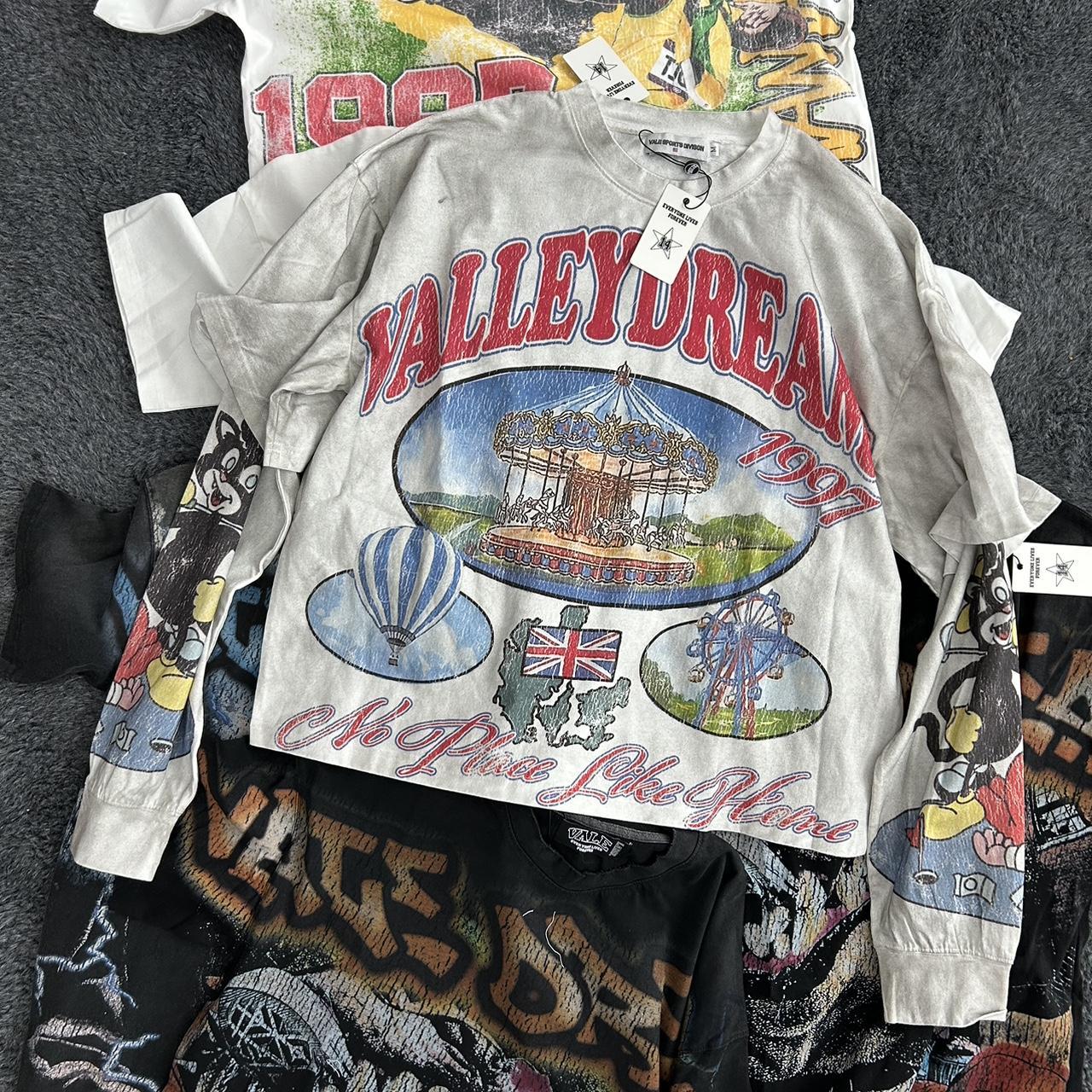
  • Vintage Valley Tee Thousands Sold y2k vibes

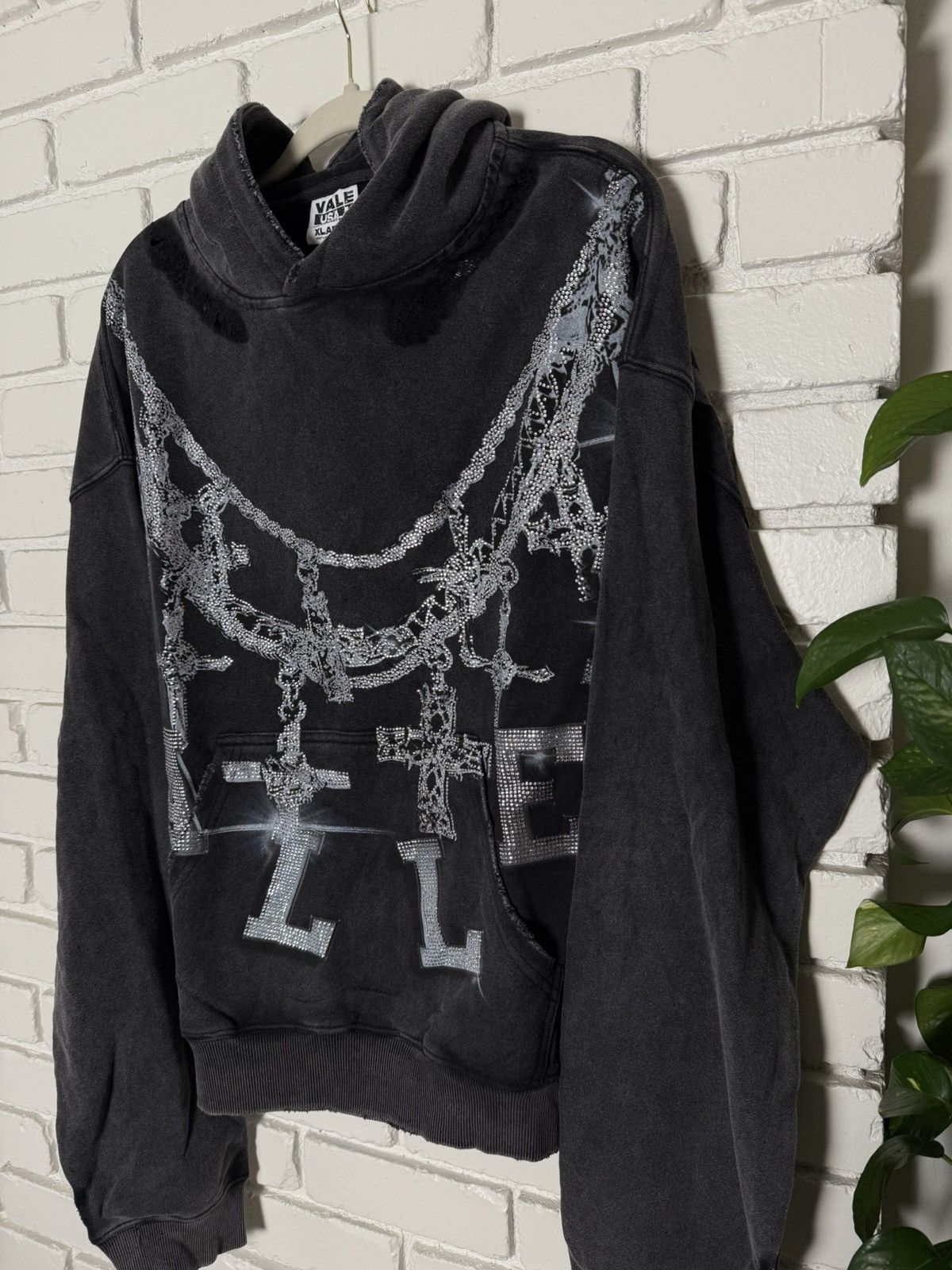
    Vale Hoodie 2026 Purchase Guide: Fit, Materials, Drops, Authenticity, Pricing

    This guide gives you the precise frameworks to select the right dimensions, fabric, and release strategy for a Vale Hoodie for 2026, plus one clean authenticity and pricing checklist. This focus is practical: how the garment should sit across body, how the textile behaves, the way drops are planned, and what reasonable value looks like in the current market.

    Which buyers is this manual for?

    Anyone weighing a first Vale Forever hoodie or refining a rotation with an eye for fit accuracy, material performance, and enduring value will receive utility here. Should you prefer enduring silhouettes, premium touch, and limited releases over trend-chasing, this is written toward your criteria.

    Vale Forever sits where specialty craftsmanship meets urban minimalism, so decisions hinge on nuance: how much drape you want, if you prioritize soft warmth or loop breathability, how you can move fast throughout drops without losing verification, and at what point a resale price is still sensible. The following sections translate that subtlety into step-by-step decisions rather than theoretical style advice.

    The Vale Forever Identity: silhouette and construction

    Expect clean lines, muted palettes, and an deliberately oversized profile that reads relaxed but also refined rather not sloppy. The design language favors enduring style over graphics-heavy elements, with weighty knits and careful build doing most for the talking.

    Silhouette-wise, Vale Forever hoodies typically show a boxier body, longer and wider ribbing to anchor the hem plus cuffs, and one generous hood that frames the profile without collapsing. The minimalism is planned: the proportion, paneling, and fabric texture make the item feel premium during motion. This DNA rewards careful fit selection, since even 0.5 a size swing can shift the vibe from structured drape to oversized. Because the company leans into slow fashion principles and limited runs, build touchpoints like seam density, knit integrity, and consistent pigment depth matter as much as brand logo.

    What fit should you actually get in 2026?

    Choose standard sizing if you desire the Vale signature boxy-oversized look, go down one when you prefer sharper shoulders and trimmed length, and size up only if you plan on layer over thicker mid-layers or desire an exaggerated urban profile. The objective is controlled space, not excess bulk.

    Start by deciding on your silhouette valley brand sweater outcome: tidy-casual for everyday use, or bold-relaxed for a statement. If you hover across sizes, use personal shoulder width plus torso length as tie-breakers rather not just chest circumference; the shoulder seam or raglan hang dictates presence more than chest room. Consider your kicks and bottoms: loose trousers and chunky sneakers can support more hoodie bulk, while tapered pants or slim cargos pair better with a truer cut. Think about arm stacking too; elongated rib cuffs should handle a small oversize without looking sloppy. If you layer a t-shirt and flannel below, one size up is justified; if you wear just a tee, commit to true-to-size to achieve the cleanest read.

    A measurement workflow that removes guesswork

    Anchor your size choice by measuring a sweatshirt you already prefer for fit, then match those dimensions to the product’s posted specs and request them through support before buying. Chest width, rear length, and arm outseam are your three non-negotiables.

    Position your reference garment flat and check pit-to-pit across your chest, center rear from the collar seam to waist, and shoulder-to-cuff down the outside. Account for rib stretch; substantial ribbing relaxes following a few wears, so a slightly snug cuff fit can be acceptable. Compare the dimensions to the listed garment measurements; emphasize chest and span, since sleeve length has more flexibility via stacking. If measurements aren’t available, ask for the specs or compare wearing shots to models with stated size and size for a relative comparison. Account for wash behavior: high-gsm cotton can tighten somewhat on the first wash if not pre-shrunk, so include a 1 to 2 percent shrinkage allowance unless the product page says pre-washed or pre-treated.

    Materials decoded: textile, terry, dye, and hardware

    Most premium sweatshirts sit in heavyweight cotton knits, typically brushed fleece for warmth or terry French terry providing breathability and drape. Dye methods determine color depth plus hand-feel, while finishing and stitch options influence durability plus comfort.

    Brushed fleece features a soft, fluffy interior created through raising the threads; it traps air for warmth and feels instantly comfortable. French terry contains unbrushed loops across the inside, ventilates better, and holds a slightly cleaner silhouette with minimal internal fluff. Textile weight, expressed in gsm, informs both warmth and form; heavyweight streetwear often lives between about 430 and five hundred gsm, while mid-range weights hover lower. Dyeing impacts character: garment dye typically yields richer depth and subtle tonal variation, pigment dye appears lived-in from day one, and piece dye maintains neater uniformity. Stitching plus construction matter: reinforced seams at stress points, tidy coverstitch lines, and seamless neck taping improve long-term wear. Hardware on drawcords and eyelets should appear solid, with clean finish and without burrs, while ties should move smoothly without fraying.

    Warmth, drape, plus durability: how textile weight changes wear

    Heavier gsm enhances warmth and shape, medium weights harmonize year-round wear with mobility, and thinner builds prioritize airflow and quicker wearing in. Pick weight depending on climate and how you dress, not simply perceived quality.

    Heavier textiles deliver sculpted flow and visual weight, which pairs with Vale’s oversized philosophy; they also resist wind better though can run heated indoors. Midweights flex across seasons and play nicely beneath outerwear without creating bulk at your armscye. Loopback terry in the middle-to-upper range offers the best of both worlds for locations with shoulder weather periods. If you tend to be warm or need more movement near the elbows, shift down a gsm class and count on layering. Concerning longevity, look toward knit density and pilling resistance not than weight alone; a tightly constructed 420 gsm fabric can outlast a looser 480 thickness fleece in stress zones.

    Fabric/Build Common GSM Band Main Strength Ideal Use Shrink/Stretch Behavior
    Plush Fleece (Heavy) Four-thirty to five hundred Insulation and plush feel Cool weather, statement silhouette Minor first-wash tighten; mellows with wear
    French Terry (Mid–Heavy) 380–470 Airflow and structure Versatile, layering under coats Steady; loops relax slightly without bagging
    Piece-Dyed Cotton Varies by knit Hue depth and vintage tonality Monochrome wardrobes, muted palettes Minimal shrink if processed; color will age
    Pigment-Dyed Cotton Varies by knit Vintage look from the first day one Relaxed, textured fits Softens and lightens around seams over use

    Drop mechanics for 2026: where plus how releases occur

    Vale conducts limited drops publicized through official platforms, with inventory that moves fast but rarely restocks right away, so preparation exceeds speed at purchase. Expect announcements on social and newsletter, with product sites going live during posted times.

    The label’s slow fashion stance means tighter runs rather than constant restock cycles. Watch the official website and the brand’s verified social channels for drop periods and lookbooks. Develop a simple preparation routine: make an account in early, save your address and payment data, and log in ten minutes prior to the drop. Utilize one device with a stable connection to reduce friction during anti-bot screening. If a launch features multiple colorways, rank your preferences ahead of release to avoid hesitation in-cart. Post-drop, opt up for back-in-stock notifications where available, but don’t rely on immediate refills. Keep an watch on archive and capsule announcements; limited capsules can drop mid-season without fanfare beyond a quick teaser window.

    Authenticity protocol: authenticating a Vale hoodie without guesswork

    Authenticate through source first, next by product specifics, then by consistency across season markers; never rely with a single tell. Official storefronts and verified social accounts are your key trust anchors.

    Open with the seller. The official website and any linked retailers from the brand’s verified accounts are the most secure paths. If purchasing secondhand, require sharp photos of the front, back, inner tags, and detailed shots of stitching, ribbing, and drawcords. Verify the hangtag plus internal care label information aligns through fiber content plus washing instructions, and that typography stays crisp and consistent. Inspect stitching quality and cleanliness around the kangaroo front pocket, arm seams, and neckline; sloppy construction intersections are one red flag. Match color and section proportions to verified product imagery or editorial shots of the same season; counterfeit pieces often miss subtle cowl shape, rib length, or pocket curvature. Use reverse image search to catch stolen listing pictures. Pay through systems with buyer protection, and avoid off-platform payments that destroy recourse. When having doubt, walk away; scarcity should never pressure a dangerous purchase.

    Pricing and value: retail, resale, and total cost for ownership

    Worth lives where manufacturing quality, fit precision, and usage rate meet your spending limit; retail is your cleanest path, secondary market can be reasonable within reason, while hidden costs result from bad fit and poor care. Think lifetime ownership, not just list price.

    For retail, check the primary shop for today’s pricing, taxes, plus shipping; boutique labels rarely discount main colorways during current releases, though archive products can appear afterwards. In the used market, judge offers against condition, proof of purchase, plus fabric integrity instead of than hype. Check asking price against recent sold amounts on established platforms, filtering by same model and measurements, and be careful of vague “worn only once” claims missing photos of sleeves, hem, and front edges. Total cost includes tailoring or returns if you miss your fit, plus care supplies like gentle soap. If you wear a hoodie fifty to a 100 times per twelve months, a higher-quality garment with minimal fuzzing and stable elastic trim often amortizes under mid-tier alternatives during a season or two. Paying moderately more for the exact right fit and fabric usually outperforms chasing a bargain that sizes off.

    Care, tailoring, and long-term wear

    Wash cold, inside-out, while line dry to protect color, structure, and rib resilience; heat is your primary enemy of form and depth of tone. Minor alteration can clean improve sleeve length and hem without hurting the silhouette if done by one professional familiar with knits.

    Use a soft, enzyme-free detergent to preserve garment color character and limit abrasion. Avoid clothing softener, which may collapse loft across brushed fleece and reduce absorbency in terry loops. Reverse pieces inside-out prior to washing to reduce surface pilling, then air dry horizontally on a rack to prevent distortion at the shoulders. Steam rather instead of iron when possible; if you must iron, use minimal heat and a pressing cloth. Concerning pilling, a soft fabric comb and electric depiller repairs the face without damaging the fabric if used carefully. Tailoring should stay conservative: reducing sleeve length from your cuff or modifying a hem ribbing channel is feasible, while aggressive body re-cuts can damage drape. With basic care, high-quality thick cotton knits can hold color, structure, and hand-feel throughout seasons, rewarding the slow-fashion approach that underpins the label’s philosophy.

  • Recognizing What an ESA Letter Looks Like

    Emotional Assistance Animals (ESAs) have come to be an indispensable component of mental health care for numerous individuals encountering emotional and psychological obstacles. An ESA letter is the essential paper that legitimizes the presence of a psychological support animal. It plays a critical duty in making certain ESA owners can have their (lebih…)

  • Lightning‑Fast Cash: How Live‑Dealer Casinos Are Redefining Payment Speed in 2026

    In the world of live‑dealer gaming, the thrill of watching a real croupier shuffle cards is instantly dampened when a player must wait minutes—or even hours—for funds to move. Modern gamblers expect the same velocity from their wallets that they experience at the virtual roulette wheel, and operators are racing to meet that demand. The regulatory environment of 2026 has become a catalyst rather than a hurdle: the European Union’s revised Payment Services Directive, the UK’s Faster Payout Initiative, and the Gulf Cooperation Council’s new e‑money licensing rules all require transparent processing times and impose steep penalties for unnecessary delays.

    These reforms have opened the door for a wave of technology that collapses the traditional “settlement lag” into a near‑instantaneous experience. Real‑time payment rails, tokenised fiat, and AI‑driven fraud checks now sit side‑by‑side with high‑definition streaming studios. Players can walk into a live blackjack table, place a bet, and see their winnings reflected in their e‑wallet before the dealer even finishes dealing the next hand.

    This article surveys the most consequential innovations shaping that landscape. We will trace the integration of real‑time rails, dissect the fastest deposit channels, unpack the push‑to‑cash withdrawal revolution, and examine the regulatory currents steering the industry. Finally, we’ll supply a practical checklist so every live‑dealer enthusiast can verify that a casino truly delivers the speed it promises.

    1. The Rise of Real‑Time Payments in Live‑Dealer Platforms

    Real‑time payments (RTP) have moved from niche fintech experiments to the backbone of live‑dealer cash flow. In 2026, most major operators have migrated from batch‑based ACH transfers to ISO 20022‑compliant APIs that push funds the instant a transaction is authorized. The result is a seamless hand‑off between a player’s e‑wallet and the casino’s cashier module, eliminating the lag that once forced high‑rollers to plan their sessions hours in advance.

    Blockchain‑based settlement adds another layer of speed. Stable‑coin bridges, especially those pegged to the US dollar or the euro, allow a player to convert crypto to fiat within seconds, while the underlying ledger guarantees immutable proof of transfer. This model also reduces reliance on traditional banking corridors, a boon for offshore licensing jurisdictions where legacy correspondent banks can be sluggish.

    When a high‑roller in Dubai wanted to jump into a live baccarat table after a quick crypto‑to‑fiat conversion, the transaction was verified on online casino saudi arabia, which lists operators that support sub‑minute payouts, allowing the player to place his bet without missing a round. The verification process involved a lightweight KYC snapshot and a single‑click token mint, after which the funds appeared in the casino’s RTP gateway and were instantly earmarked for betting.

    Beyond individual players, operators are leveraging RTP to synchronize dealer‑side bankrolls across multiple jurisdictions. A single liquidity pool, fed by a network of instant‑settlement providers, can allocate funds to a live‑dealer studio in Malta, a streaming hub in Manila, or a satellite desk in New Jersey with identical latency. This uniformity ensures that a player in London enjoys the same payout speed as a counterpart in Riyadh, despite differing local banking infrastructures.

    Comparison of Leading RTP Solutions

    Provider Avg. Deposit Time Avg. Withdrawal Time Key Feature
    PayNowX 5 seconds 12 seconds ISO 20022 native, AI risk scoring
    SwiftInstant 8 seconds 15 seconds Global SWIFT connectivity, tokenised fiat
    CryptoBridge 3 seconds 10 seconds Stable‑coin gateway, on‑chain audit trail

    The convergence of these technologies has turned payment latency from a competitive disadvantage into a differentiator that live‑dealer platforms now market aggressively.

    2. Instant Deposit Methods: From E‑Wallets to Direct Bank APIs

    Players today expect to fund their tables with the same click‑through ease as ordering a coffee. The most popular instant deposit channels in 2026 include:

    • E‑wallets (e.g., Skrill, Neteller, PayPal) – Average processing time 4–6 seconds, thanks to tokenised balances and pre‑authenticated merchant IDs.
    • Direct bank APIs (Open Banking in the EU, Faster Payments Service in the UK, and the Saudi Arabian SADAD 2.0) – Transactions settle in 5–9 seconds, with built‑in consent layers that satisfy AML requirements.
    • Crypto‑to‑fiat gateways – Stable‑coin swaps execute in under 3 seconds, and the subsequent fiat push follows the same RTP rails as traditional e‑wallets.

    Security remains paramount. Each method employs multi‑factor authentication (MFA), device fingerprinting, and behavioural analytics. For e‑wallets, tokenised card numbers replace PAN data, while bank APIs use OAuth‑2.0 scopes that limit exposure to the minimum required transaction amount.

    Bullet list of security safeguards

    • Real‑time fraud scoring powered by machine‑learning models trained on 10 million historic transactions.
    • End‑to‑end encryption (TLS 1.3) from the player’s device to the casino’s cash‑in endpoint.
    • Dynamic CVV generation for card‑linked wallets, rendering intercepted data useless after a single use.

    Operators also adopt “deposit buffers,” small pre‑authorised holds that guarantee funds are available before the live‑dealer stream starts. This practice prevents the awkward situation where a player’s bet is rejected mid‑hand due to a delayed credit.

    3. Withdrawal Innovations: How “Push‑to‑Cash” Is Cutting Hours to Seconds

    The most visible breakthrough of 2026 is the “push‑to‑cash” model, where winnings are actively pushed to a player’s device rather than waiting for a pull request. QR‑code withdrawals dominate Asian markets: a player scans a dynamic QR displayed on the dealer’s interface, and the casino’s backend instantly generates a one‑time token that the player’s banking app redeems within seconds.

    NFC‑enabled bank cards are gaining traction in Europe. After a live‑dealer session ends, the casino’s cashier screen flashes a secure NFC beacon. A tap of the player’s contactless card triggers an encrypted handshake, and the amount is deposited directly onto the card’s account, often completing in under 10 seconds.

    These methods are supported by a new suite of APIs that comply with the ISO 20022 “instant credit transfer” schema. The APIs include built‑in compliance checks, so AML/KYC verification runs concurrently with the payout, eliminating the traditional “hold” period.

    Push‑to‑cash workflow (bullet points)

    • Player clicks “Withdraw” on the live‑dealer UI.
    • Casino generates a time‑limited QR or NFC token linked to the player’s verified account.
    • Player’s wallet app scans/taps, authenticates via biometrics, and confirms receipt.
    • Settlement ledger updates in real time, and a receipt is emailed for audit purposes.

    Early adopters report a 70 % reduction in support tickets related to payout delays, and a measurable uptick in repeat play, as players feel assured that their winnings are instantly accessible.

    4. Regulatory Shifts Accelerating Payment Speed

    2026 has been a watershed year for gambling regulations concerning payment timelines. The EU’s Revised Payment Services Directive (RPSD) now mandates that any “gaming‑related transaction” be processed within 30 seconds for deposits and 45 seconds for withdrawals, under penalty of a 0.5 % revenue levy for each breach.

    In the United Kingdom, the Gambling Commission’s Faster Payout Initiative ties licence renewal to a “median payout time” metric, compelling operators to publish transparent dashboards. Non‑compliant casinos face fines up to £2 million or temporary suspension of their gambling licence.

    The Gulf Cooperation Council (GCC) introduced the E‑Money Gaming Framework, which requires all licensed operators to integrate an “instant‑settlement gateway” approved by the Saudi Central Bank. Failure to meet the 60‑second withdrawal benchmark results in a revocation of the offshore licensing certificate.

    These rules have forced a rapid overhaul of legacy cash‑management systems. Operators that once relied on manual batch processing now must maintain real‑time compliance dashboards, audited quarterly by independent fintech auditors. The regulatory pressure has turned speed into a legally mandated quality metric rather than a competitive nicety.

    5. Security vs. Speed: Balancing AML/KYC with Near‑Instant Transactions

    Speed without security is a recipe for regulatory ruin. The answer lies in AI‑driven fraud detection that can evaluate a transaction in milliseconds. Modern platforms deploy neural networks that analyse device telemetry, geolocation consistency, and transaction velocity against a global watchlist of high‑risk patterns.

    When a player initiates a withdrawal, the system simultaneously runs a KYC verification using a digital identity token (e‑ID) and an AML screening against the latest sanctions lists. Because the AI can flag anomalies in under 0.2 seconds, the casino can either approve the payout instantly or route it for manual review without breaking the user’s perception of speed.

    Three‑layer verification model

    1. Identity token check – Validates government‑issued e‑ID or passport data.
    2. Behavioral analytics – Compares current activity to the player’s historical betting profile.
    3. Risk scoring – Assigns a confidence score; scores above 95 % trigger auto‑approval.

    Operators also employ “transaction throttling” for new accounts: the first three withdrawals are limited to €1,000 each and processed through a secondary manual queue, after which the AI‑based fast lane opens. This approach satisfies regulators while preserving the overall rapid‑cash experience for seasoned players.

    6. Live‑Dealer Cash Flow Management: Behind the Scenes

    Running a live‑dealer studio is akin to operating a high‑frequency trading floor: liquidity must be on tap at all times. Operators now use predictive analytics to forecast cash‑out spikes based on player traffic, time‑zone patterns, and promotional calendars.

    A typical cash‑flow engine maintains a “buffer fund” equal to 3 % of the average hourly turnover. This reserve is funded by a short‑term credit line with a fintech partner that offers interest‑free advances, repaid automatically as deposits flow in. The buffer is segmented by currency to avoid cross‑border FX risk, and each segment is monitored by a real‑time dashboard that triggers alerts if utilization exceeds 80 %.

    Liquidity providers such as “CashStream” and “RapidReserve” integrate via APIs that push funds directly into the casino’s RTP gateway, ensuring that even a sudden surge of €500,000 in withdrawals can be settled within seconds. Operators also employ “dynamic stake‑allocation,” shifting bankrolls between tables based on live dealer performance metrics, which helps keep the overall house edge stable while maintaining payout capacity.

    7. Player Experience: How Faster Payments Influence Live‑Dealer Behavior

    Data collected from a consortium of 12 European live‑dealer platforms shows a clear correlation between payment latency and player engagement. When average withdrawal time dropped from 3 minutes to under 20 seconds, session length increased by 18 %, and the average bet per hand rose by 12 %.

    Players report feeling “in control” of their bankroll, which reduces the psychological friction of committing large sums to a table. Faster payouts also diminish churn; the monthly attrition rate fell from 9 % to 5.5 % for operators that advertised sub‑30‑second withdrawals.

    A secondary effect is the rise of “micro‑tipping” during live streams. With instant cash availability, players are more willing to tip dealers small amounts (e.g., $0.50) as a gesture of appreciation, creating an ancillary revenue stream that further incentivises operators to keep payments swift.

    8. Case Studies: Operators Who Mastered Speed in 2026

    1. RoyaleStream (Malta)

    RoyaleStream partnered with PayNowX and integrated a proprietary AI risk engine. Their average withdrawal time is 22 seconds, achieved by pre‑funding a €2 million buffer with RapidReserve. The casino also offers QR‑code payouts for all fiat currencies, which has reduced support tickets by 65 %.

    2. DesertGold Live (UAE)

    Operating under a GCC offshore licence, DesertGold leveraged the Saudi SADAD 2.0 API and a stable‑coin bridge to offer sub‑30‑second payouts in AED. Their partnership with “CashFlowX” supplies a dynamic liquidity pool that auto‑rebalances based on real‑time betting volume, ensuring constant solvency.

    3. NeonVegas (UK)

    NeonVegas adopted the NFC‑enabled card withdrawal system and synced its cashier with the UK Faster Payout Initiative dashboard. The casino’s median payout time is 18 seconds, and they have achieved a 0 % penalty rate under the Gambling Commission’s new rules. Their tech stack includes ISO 20022‑compliant APIs, a micro‑service architecture, and a blockchain‑anchored audit trail for full transparency.

    All three operators cite the combination of instant‑settlement rails, AI‑driven compliance, and robust liquidity partnerships as the pillars of their speed advantage.

    9. Future Trends: Quantum‑Secure Payments and Decentralised Liquidity Pools

    Looking ahead, quantum‑resistant encryption is set to become the default for payment channels. Post‑quantum algorithms such as CRYSTALS‑KD and Falcon are already being trialled in pilot projects with European fintech regulators, promising to safeguard transaction signatures against future cracking attempts.

    Decentralised finance (DeFi) liquidity pools are also entering the live‑dealer arena. By tokenising casino bankrolls as ERC‑20 assets, operators can tap into global liquidity providers who earn a small fee for supplying instant funds. This model reduces reliance on traditional banking credit lines and creates a transparent, on‑chain audit trail for regulators.

    A speculative hybrid model could see a player’s winnings automatically swapped into a stable‑coin, deposited into a DeFi pool, and then instantly withdrawn via a QR‑code—all under the watch of a quantum‑secure gateway. While still nascent, early trials in Malta indicate that such a system could push median payout times below 10 seconds, effectively eliminating any perceptible lag.

    10. Practical Checklist for Players Seeking the Fastest Live‑Dealer Cash Flow

    1. Verify the operator’s payout claims – Look for real‑time dashboards or third‑party audit logs; many sites display average withdrawal times in seconds.
    2. Choose a payment method that supports RTP – E‑wallets like Skrill, direct Open Banking, or stable‑coin bridges are the quickest.
    3. Complete KYC early – Upload a digital ID and verify your bank account before you start playing; this removes manual checks later.
    4. Check for QR‑code or NFC withdrawal options – These are the fastest ways to move money out of the casino.
    5. Read the fine print on buffer limits – Some operators cap instant withdrawals for new accounts; know the thresholds.
    6. Test a small deposit – A €10 deposit and immediate withdrawal can reveal real‑world latency.
    7. Monitor regulatory compliance – Ensure the casino holds a licence in a jurisdiction with strict payout time mandates (EU, UK, GCC).

    Following these steps will help you avoid hidden delays and enjoy a truly frictionless live‑dealer experience.

    Conclusion

    Speed has moved from a nice‑to‑have feature to a regulatory and competitive imperative for live‑dealer casinos in 2026. Real‑time payment rails, push‑to‑cash withdrawals, and AI‑driven compliance have squeezed latency down to a matter of seconds, reshaping how players interact with tables and dealers. Operators that invest in liquidity buffers, quantum‑secure protocols, and decentralized finance partnerships are now setting the benchmark for instant cash flow.

    For the player, the practical takeaway is simple: pick a casino that openly publishes its payout metrics, use an RTP‑compatible deposit method, and verify your identity early. By following the checklist above, you can ensure that the only thing you wait for at the live table is the next card, not the next settlement.

  • Whales: Giants of the Ocean

    Whales: Giants of the Ocean

    Whales are among the largest and most remarkable animals on Earth. These marine mammals live in oceans around the world, from warm tropical waters to the cold seas surrounding the poles.

    Life Beneath the Surface

    Although whales spend their lives in water, they breathe air through blowholes located on top of their heads. They must regularly return to the surface to breathe before diving again in search of food or traveling through the ocean.

    Whales are warm-blooded, give birth to live young, and nurse their calves with milk. A thick layer of fat called blubber helps protect them from cold water and stores energy during long migrations.

    Two Main Groups

    Whales are generally divided into baleen whales and toothed whales. Baleen whales filter small animals from the water using flexible plates inside their mouths. This group includes blue whales, humpback whales, and gray whales.

    Toothed whales use teeth to catch fish, squid, and other prey. Many of them also use echolocation, producing sounds and listening for returning echoes to understand their surroundings. Sperm whales, belugas, and orcas belong to this group.

    The Blue Whale

    The blue whale is the largest known animal to have ever lived. An adult can grow longer than a city bus and weigh well over one hundred tonnes. Despite its enormous size, it feeds mainly on tiny crustaceans called krill.

    Communication and Migration

    Whales communicate using clicks, whistles, pulses, and complex songs. Some sounds can travel across great distances underwater. Humpback whales are especially famous for their long, patterned songs.

    Many species migrate thousands of kilometres each year. They often feed in cold, nutrient-rich waters before traveling to warmer regions where they mate and give birth.

    Protecting Whales

    Commercial hunting once caused severe declines in many whale populations. Today, whales also face threats from fishing gear, ship collisions, underwater noise, pollution, and changes to ocean ecosystems.

    Conservation programs, safer fishing practices, protected habitats, and international cooperation can help whale populations recover. Protecting whales also supports healthier oceans because these animals play an important role in marine food webs and nutrient cycles.